
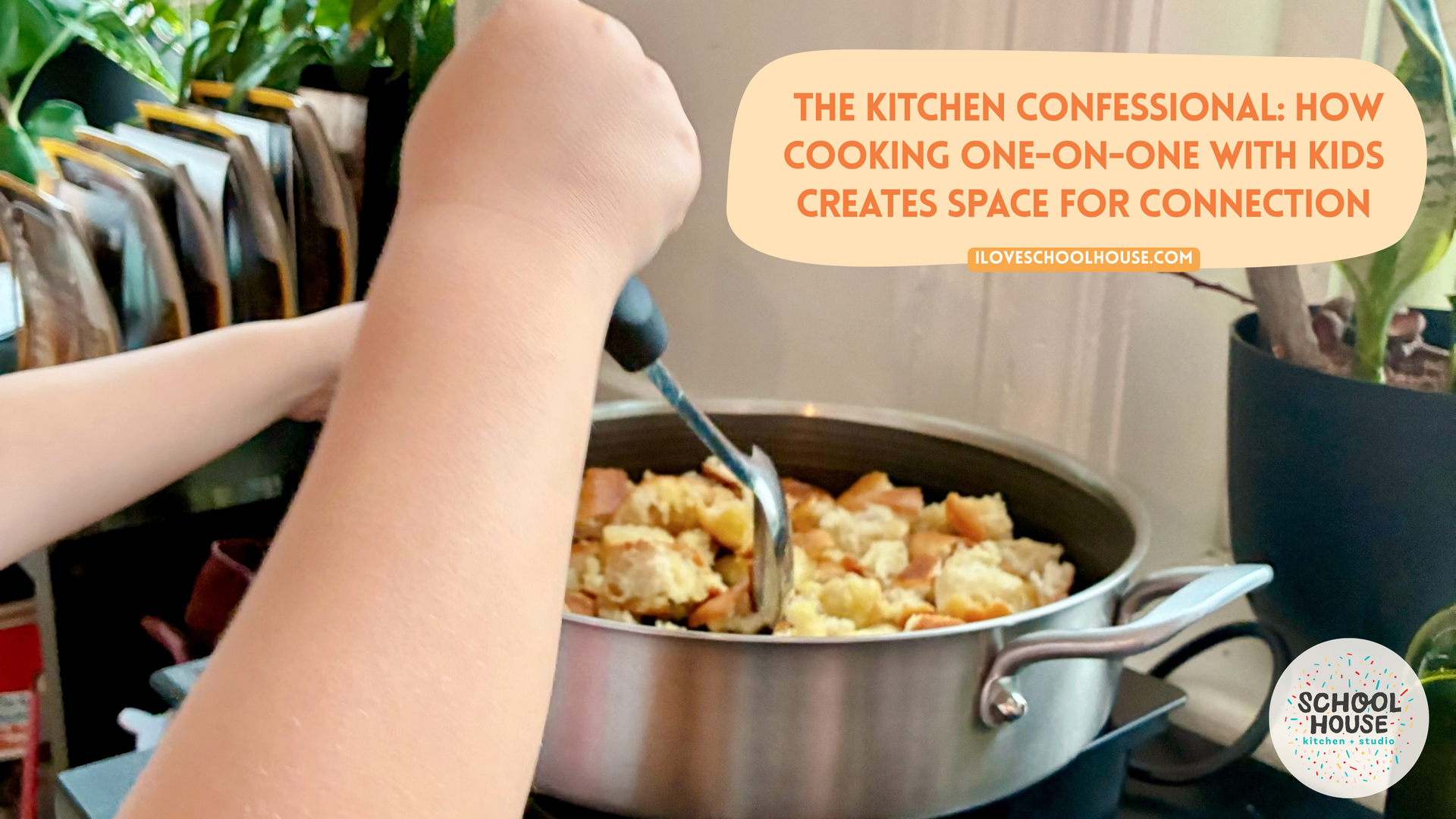
There is something about doing something with your hands that makes it easier to talk. I’ve noticed this with my own kids, especially when I’m in the car one-on-one with my 16-year-old. As he practices driving, his hands are busy, his attention is partly occupied, and somehow the conversation flows more freely. He tells me things he might not otherwise think to share. We talk about friends, school, worries, random observations—sometimes things I didn’t even know were on his mind. I experienced this recently in my classroom at Goethe Elementary while managing the stirring station for our Panzanella recipe. A young boy came over and sat on the stool next to me. I had only met him the week before, during our first class. His job was simple: stir the bread, garlic, and olive oil around the pan. He stirred. And then he started talking. He told me that the following Wednesday was his birthday. But his birthday scared him. Why? Because every year, his birthday means he has to get a vaccination. He went on to tell me that he and his sister go together. He always goes first. He tries not to cry because he doesn't want his sister to be scared. Then he told me something that stopped me in my tracks. He has learned how to cry without looking like he is crying. He does it so his sister won't get more scared. There we were, at a stirring station, and suddenly I was hearing this beautiful little story about fear, courage, and taking care of someone you love. It felt like a kitchen confessional. And I was so grateful to simply be there to witness it. I hadn't asked him about vaccinations. I hadn't asked him if he was scared. I hadn't even known him long enough to know what was on his mind. He was just stirring. And because his hands were busy, perhaps there was room for the rest of him to come forward. This is one of the things I love about cooking with kids. The recipe gives you something to do together, but the real gift may be everything that happens around the recipe. Maybe they tell you about a friendship that is changing. Maybe they tell you something they're worried about. Maybe they share a funny story, a big question, or something they've been carrying around quietly. And sometimes, they tell you how they have figured out how to be brave for someone else. We don't always need to create a formal “talking time” with our kids. In fact, sometimes that can make talking harder. Instead, make space to co-work . Give them something to do beside you. Let them measure the flour. Tear the herbs. Stir the sauce. Knead the dough. Wash the vegetables. Roll the cookies. Sit beside them and see what comes up. Cooking together isn't just about teaching kids how to follow a recipe or become more comfortable in the kitchen. It can also be a way of saying, I'm here. We have time. You don't have to perform or explain yourself. Let's just do this together. You may be surprised by what they choose to tell you. And when they do, you don't necessarily have to fix anything. Sometimes the most important thing we can offer is our full attention and the privilege of being allowed to listen. So the next time you're looking for a way to connect with your child, try inviting them into the kitchen. And make a little room for the conversation to find you.
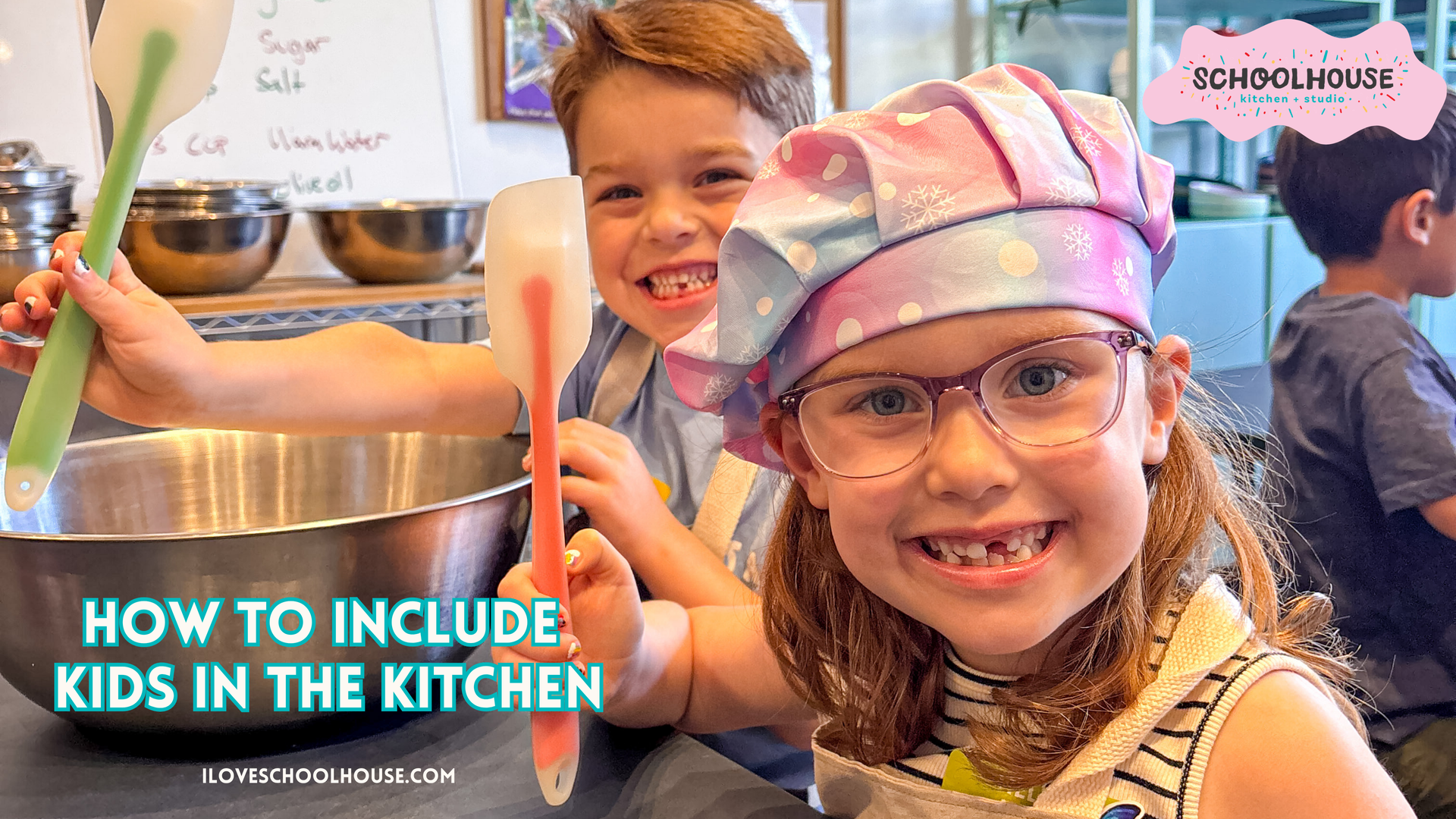
Letting kids join you in the kitchen is a great way to boost their confidence, independence, and curiosity about food. Even small jobs, like packing their own lunch, picking out groceries, or inventing a snack from a few simple ingredients, can leave a lasting impression. Encourage their creativity, accept a few messes along the way, and show them how tools and ingredients work. Simple routines, such as baking together weekly or growing a few herbs on the windowsill, turn ordinary moments into chances to learn. With patience and a bit of guidance, your kitchen can become a place where kids of any age enjoy exploring and discovering.
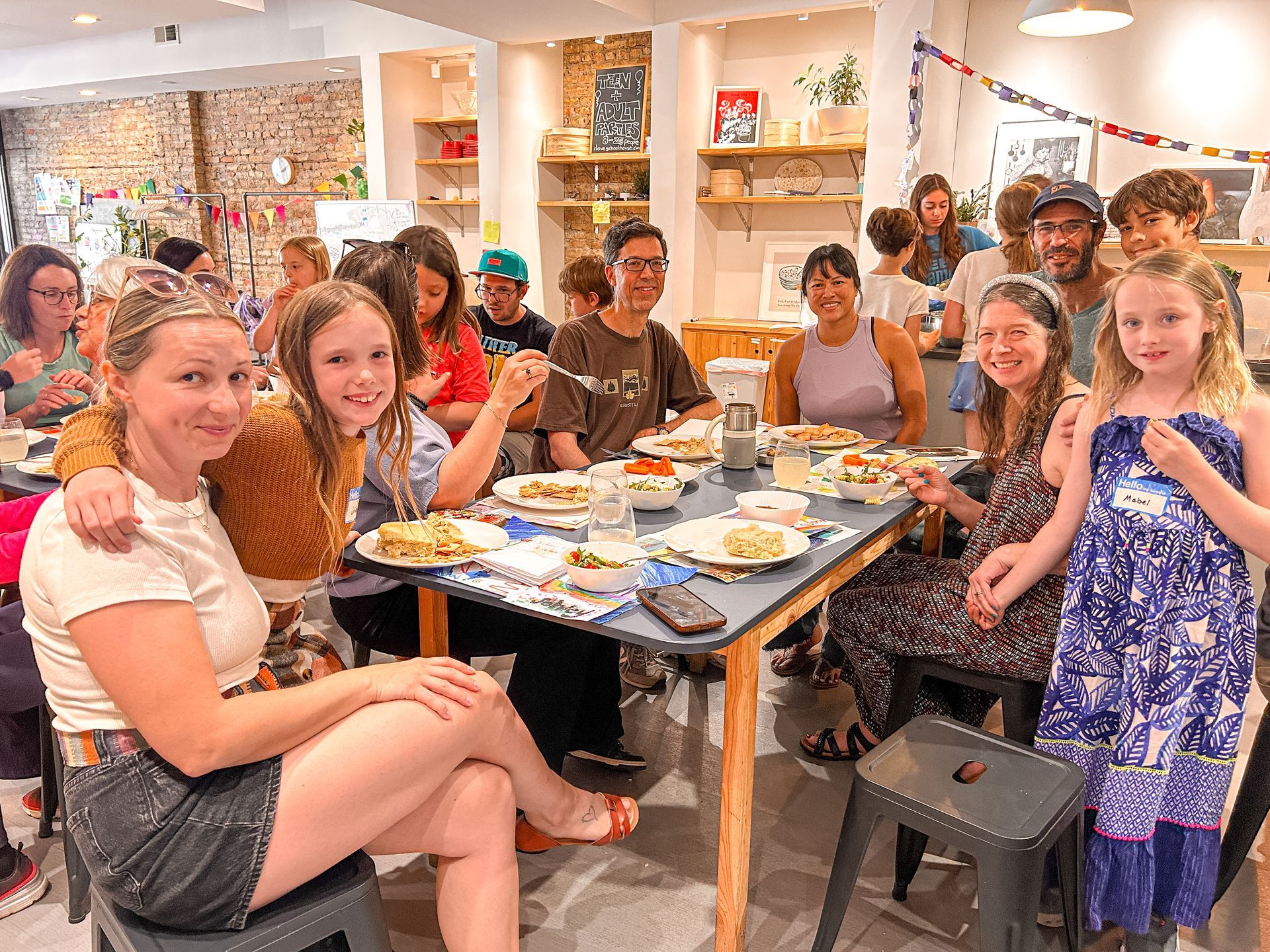
There is a poem I return to often called Perhaps the World Ends Here by Joy Harjo. In it, she reminds us that the kitchen table is so much more than a piece of furniture. It is where life happens. It is where stories are shared, lessons are learned, grief is carried, celebrations begin, and generations come together. As someone who has spent over a decade teaching children to cook, I couldn't agree more. When families ask me what the most important thing they can do to raise confident cooks, they often expect me to talk about knife skills, recipes, or involving children in meal preparation. Those things matter, of course. But they aren't where I begin. I begin with this: Sit down together. Not every night. Not perfectly. Not with elaborate meals or matching plates worthy of a magazine. Simply gather around the table whenever you can. Because something extraordinary happens when we eat together. Children tell us things they might not say in the car or while we're rushing out the door. We hear about friendships, worries, funny moments, dreams, and disappointments. We notice who reaches for another helping of a new dish and who suddenly decides mushrooms aren't so bad after all. We laugh. We negotiate. We practice patience with each other. At Schoolhouse, we see this every single day. Yes, children learn to crack eggs, knead dough, season soup, and safely hold a knife. But they are also learning to wait for one another before taking the first bite. They're learning to compliment someone else's work, to ask for help, to share tasks, and to clean up as a team. Around our tables, confidence grows alongside compassion. And we, as adults, are learning too. Our children teach us to slow down. To embrace imperfection. To celebrate curiosity and the process of making something. To see cooking not as another task on the endless to-do list, but as an invitation to connect. Some of my favorite moments happen after the cooking is finished. The room becomes quieter. Everyone is eating something they created with their own hands. The conversations become richer. There is pride in every bite. Those are the moments that stay with me. Long after children forget the exact measurements for pasta dough or the proper way to crush garlic, they'll remember how it felt to belong around a table. They'll remember someone making room for them, trusting them with real work, listening to their stories, and sharing a meal they helped create. In a world that moves faster every year, gathering around the table may be one of the most meaningful acts of resistance we have. It asks us to pause. To notice. To nourish not only our bodies but our relationships. The recipes matter. The cooking skills matter. But the table—that's where the real magic happens. These last days of summer, I hope you'll find more opportunities to gather. Invite your child to tear the lettuce leaves, wash the peaches, set the table, or simply tell you about their day while you eat together. You may discover that the meal is only part of what you're making. With gratitude, Cheryl Knecht Founder, Schoolhouse Kitchen + Studio
As Schoolhouse approaches its 10th anniversary next year, I've been reflecting on everything we've learned together. My own family. Our incredible team of instructors. The thousands of kids and families who've joined us in the kitchen over the past decade.

Where Kids Cook, Create, and Grow A summer full of real recipes, hands-on skills, and the joy of making something delicious from scratch.
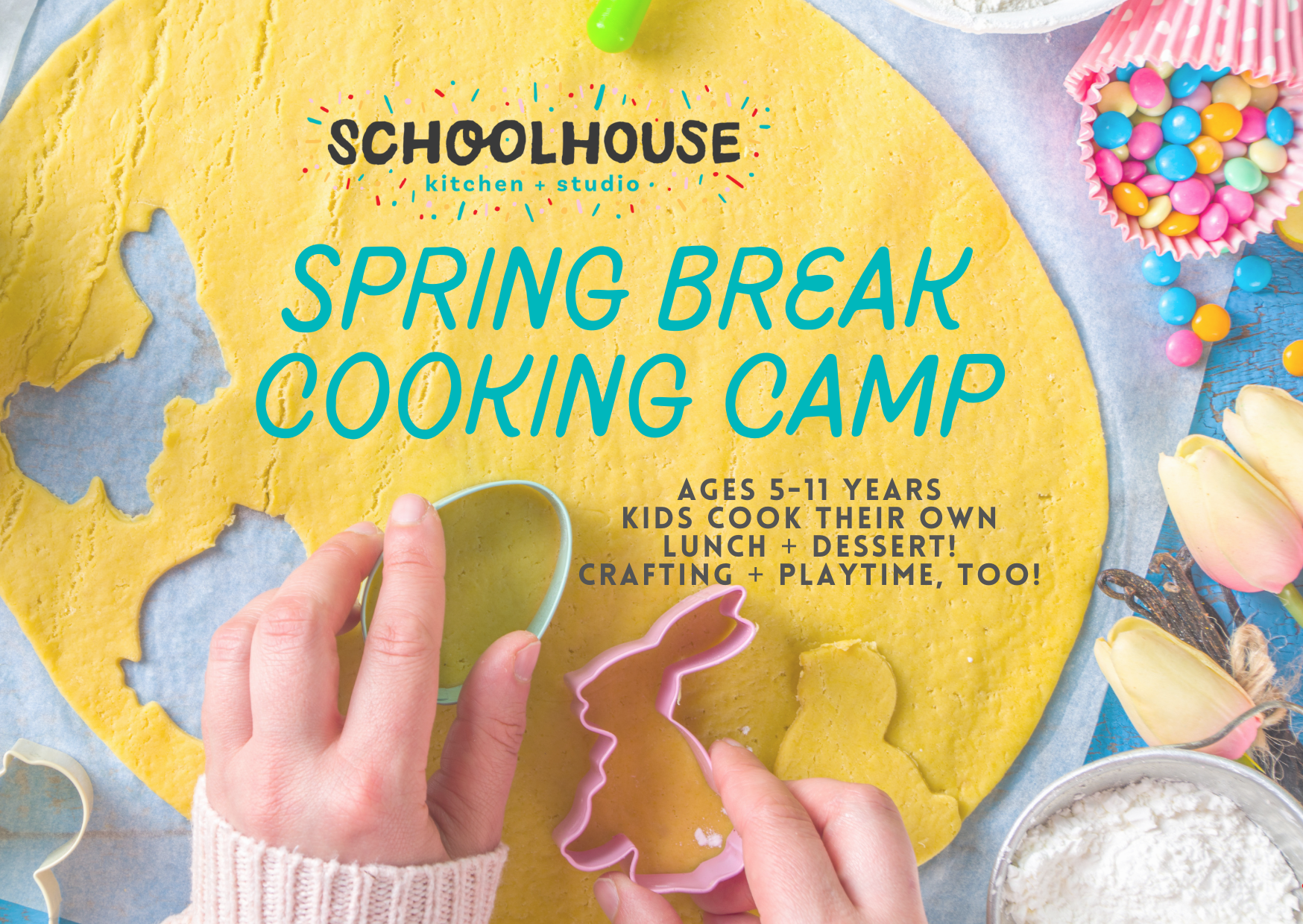
Kids will love learning, playing, growing, crafting, baking and cooking at our Schoolhouse Spring Break Camp.
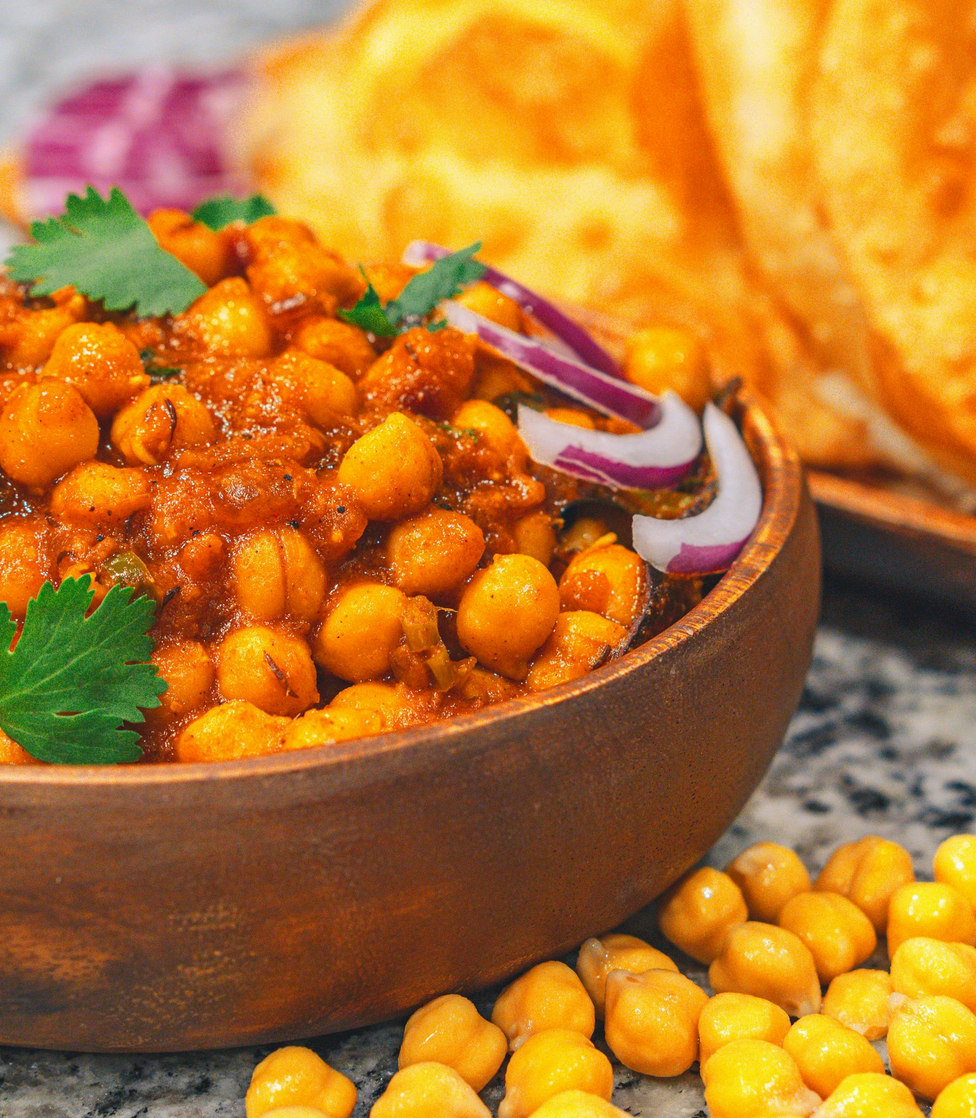
What Is Medicinal Food? Learning Through Indian Cooking

Maddi’s Fridge: Bringing Food Insecurity to Children’s Attention
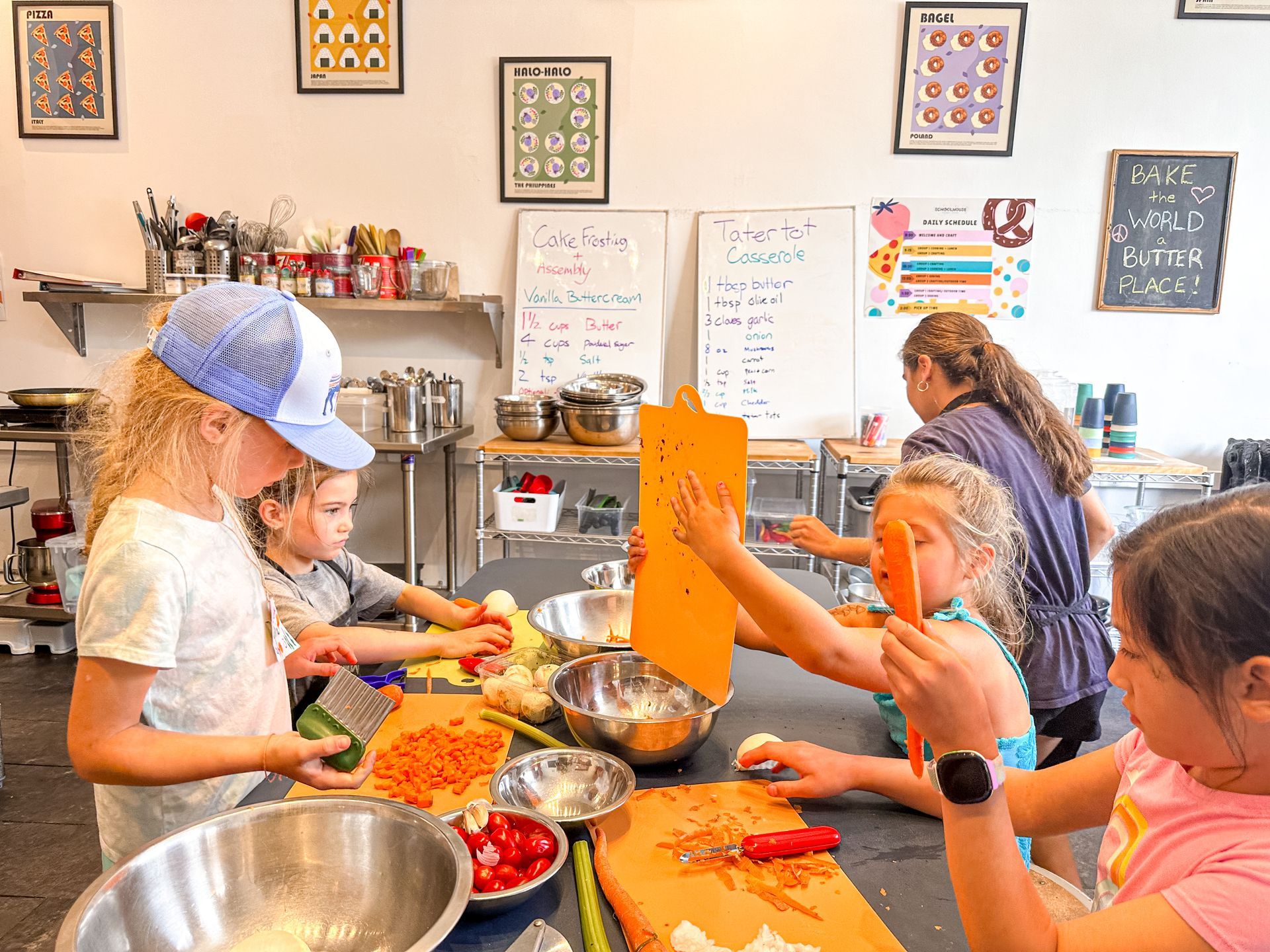
After nearly 10 years of teaching, I’ve noticed a pattern: parents who love cooking are eager for their kids to join in, while those who see it as a chore often don’t realize how much their children can gain from cooking classes. I often hear concerns like: “My child is a picky eater. They don’t touch vegetables and won’t eat anything in that class.” “They’re not interested in cooking. They just want to make cookies and brownies but don’t want to cook meals.” “They have food allergies and won’t be able to taste anything in the class,” “They’re too young—it’s not safe for them to be in the kitchen yet.” But in practice, these are the kids who benefit most. Here’s why:
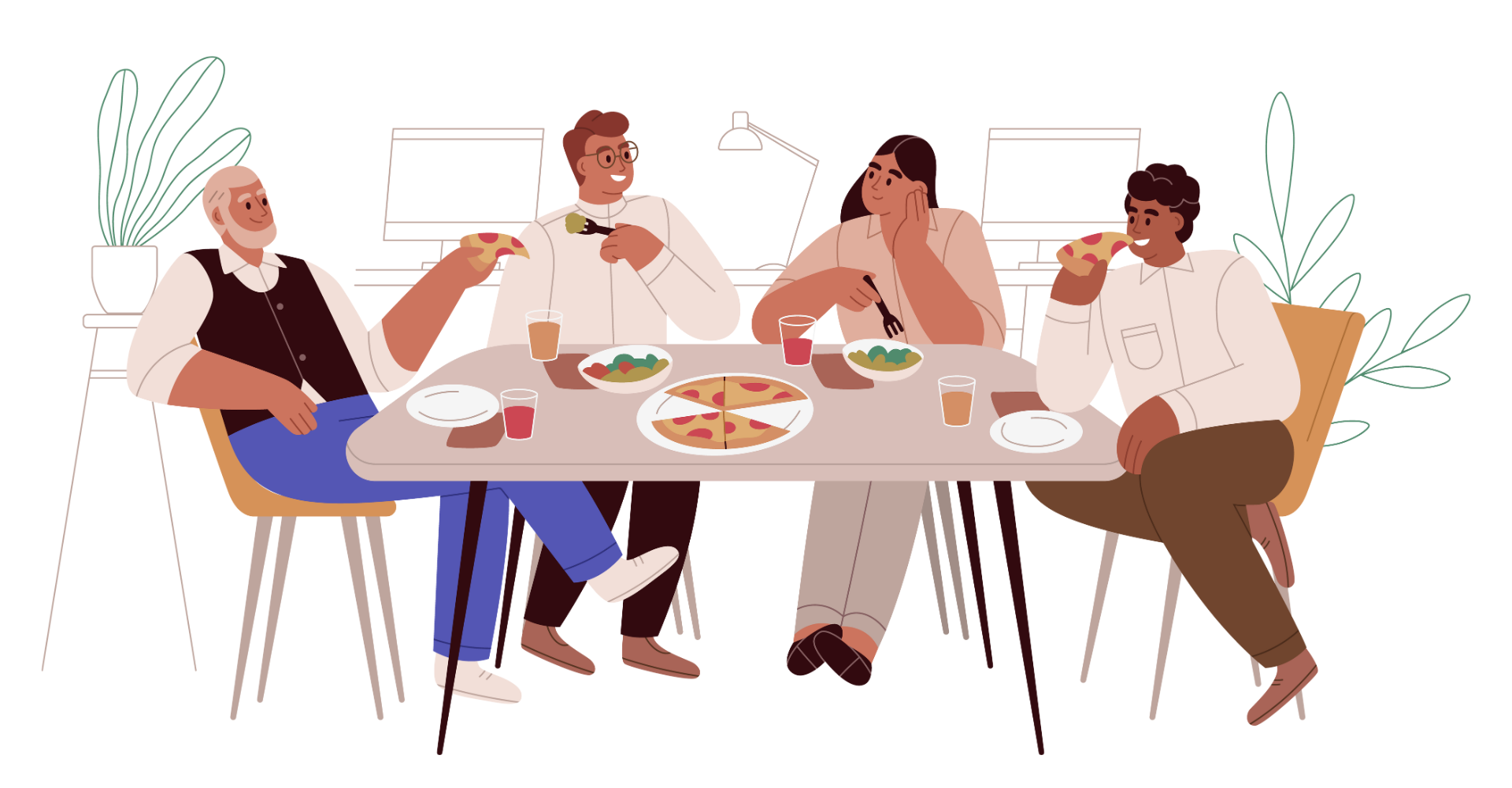
Mealtime is magic in disguise! Cooking and dining together isn’t just about nutrition, it’s a powerful gateway for modeling healthy eating, building communication, emotional support, and creating habits that last a lifetime. Here’s why it matters so much.